When the RV number is not your number
· 3 min · CampsiteFit
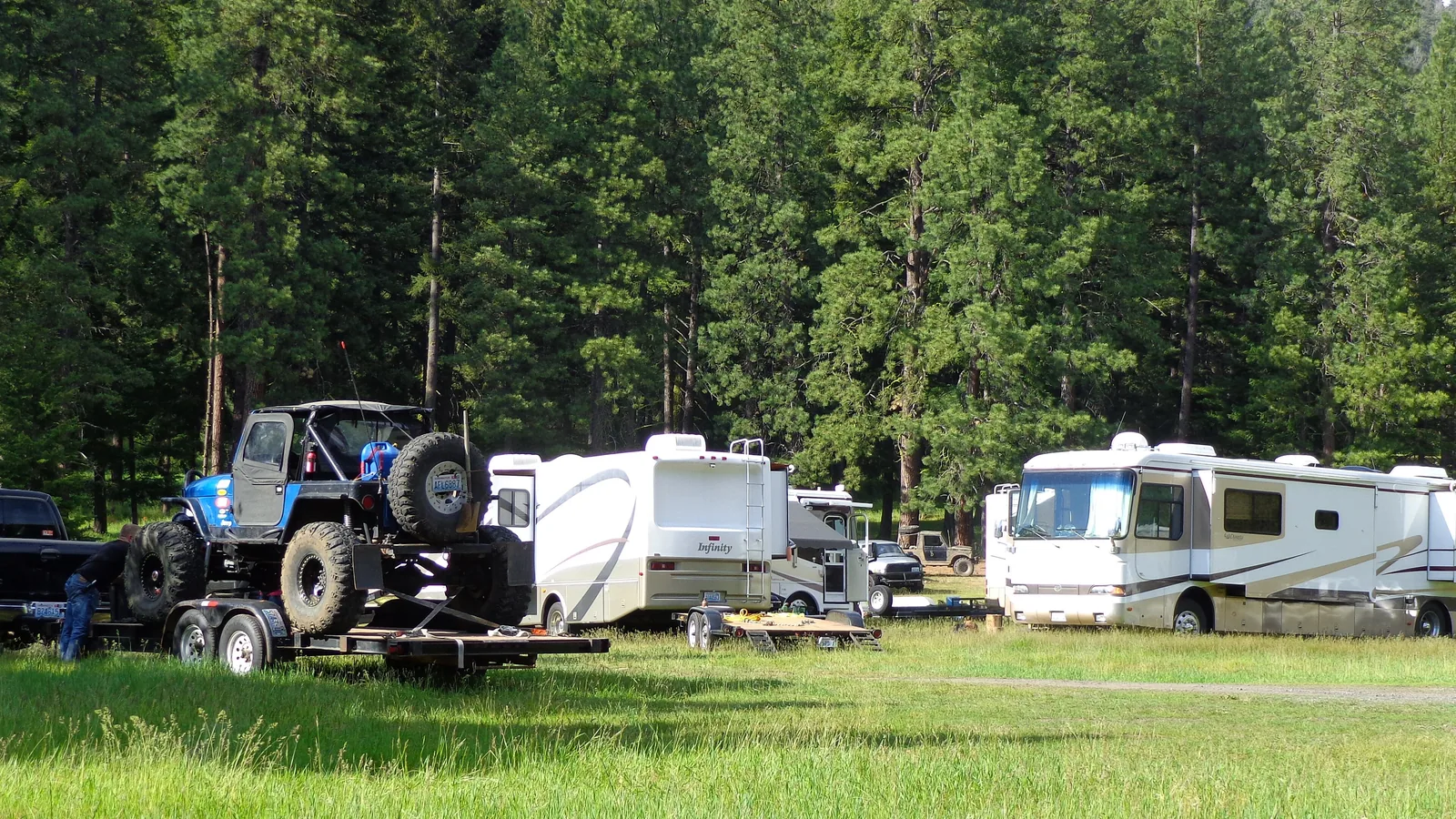
At Highway K campground in Missouri, site C20 publishes two lengths. For a motorhome it says 81 ft. For a fifth wheel it says 12 ft.
Both numbers come from the same record, the same agency and the same patch of ground. Neither is a typo. If you tow a fifth wheel and you read the one every listing quotes, you will arrive at a site that cannot take you by sixty-nine feet.
The field is plural and gets read as singular
Recreation.gov's data publishes a maximum length per permitted equipment type: RV, trailer, fifth wheel, pop-up, pickup camper, camper van. Six possible numbers per site, and a site may state any subset of them.
Most of the time they agree, or the site gives only one. On 5,872 bookable sites they disagree, and that is where the trouble starts, because almost every listing showing a single "max length" is showing the RV one.
The disagreement is not symmetric
If the disagreements were random, quoting the RV figure would mislead in both directions equally and roughly cancel out. They are not random.
| when the two differ | sites |
|---|---|
| the RV figure is the larger | 4,486 |
| the fifth-wheel figure is the larger | 652 |
| an RV length is published and no fifth-wheel one is | 579 |
Four times out of five, the quoted number is the more generous one. That is the direction that costs you the tow rather than the trip: you book believing you fit, and you find out on arrival.
The 337 in the other direction cost something too, less dangerously. They skip you past a campground because the quoted figure was shorter than what your rig was allowed.
Why the same ground has two numbers
Because length is not the only constraint. A fifth wheel pivots over the truck bed and needs a straight approach; a motorhome of the same total length swings through in less room. Agencies routinely rate a back-in with a tight turning radius generously for a self-contained motorhome and severely for anything articulated. Which explains why a pull-through helps some rigs more than others.
The agency is answering a more specific question than a single number can carry, and the single number is what survives into most listings.
Where the two numbers differ most
| Campground | State | Sites | Widest gap |
|---|---|---|---|
| Cross Lake Recreation Area | Minnesota | 107 | 30 ft |
| Alta Campground | Montana | 10 | 25 ft |
| North Campground, Bryce Canyon | Utah | 16 | 20 ft |
| Jumbo Rocks, Joshua Tree | California | 9 | 20 ft |
Cross Lake is the one that matters, because it is not a handful of sites. A 107-site Corps campground in Minnesota publishes a motorhome figure up to 30 ft longer than its fifth-wheel figure, and an aggregator quoting one number for the property quotes the motorhome one. Alta Campground in Montana and Jumbo Rocks Campground in Joshua Tree are smaller and no less wrong to read that way, and so is Saddlehorn Campground in Colorado.
What this site does
The class you pick decides which published limit the page reads. It changes which of the six columns the answer comes from rather than filtering one number afterwards, and every answer carries its basis, so a page can tell you whether a figure came from your rig class, from a general vehicle length, or from the driveway.
Where a site publishes a fifth-wheel limit, a fifth wheel gets that limit. Where it publishes none, the page says so instead of borrowing the RV column.
The general rule
A number answers a specific question. The RV figure answers "how long a motorhome", and it answers it well. Treating it as a general-purpose length is the single most common way this data gets misread, including by us: an early version of this site read only the entry named "RV" and showed it to everyone.
That bug is why the class picker exists, and why every figure on a campground page names which column it came from.
The six equipment columns come from the Recreation Information Database, which is public domain, and every campground page links to the record behind them. How it is measured says which column answers for which rig.