What "max RV length" actually means
· updated · 3 min · CampsiteFit
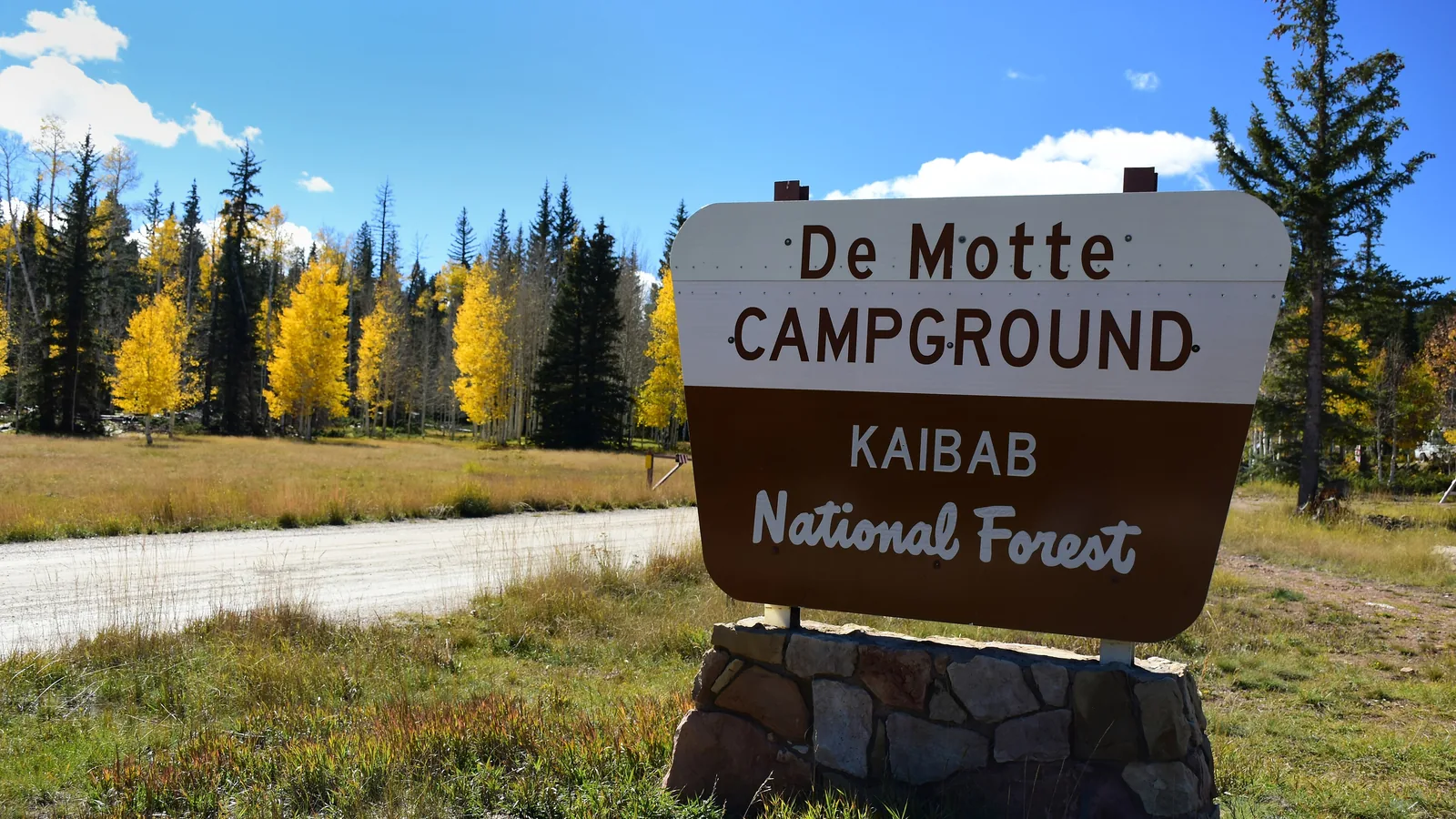
Every campground listing shows one number for length. Recreation.gov shows it, the aggregators repeat it, and it reads like a rule about the place: this campground takes rigs up to 45 ft.
It is the longest single site on the property. Nothing about it says how many other sites come close.
One site, quoted as a campground
Of the 2,878 campgrounds published here, 1,694 publish a maximum length at all. 708 of those describe exactly one site — two in five.
Broken Arrow Campground in Oregon is as plain as it gets. It has 265 bookable sites and advertises 72 ft. One site is 72 ft. If you tow a 38 ft fifth wheel, 36 of its 265 sites will take you, which is a useful answer and a completely different one.
| Campground | Sites | Advertised | Sites reaching it |
|---|---|---|---|
| Gros Ventre, WY | 317 | 51 ft | 1 |
| Mill Creek (Berlin Lake), OH | 297 | 82 ft | 1 |
| Broken Arrow, OR | 265 | 72 ft | 1 |
| Strawberry Bay, UT | 232 | 80 ft | 1 |
| Diamond Lake, OR | 230 | 75 ft | 1 |
The number is not wrong. A 72 ft site really is there. It is one number standing in for hundreds, and it fails in the direction that costs you a tow.
It also fails the other way
The same figure understates just as often, and that costs you a trip you could have taken.
Logger Campground advertises 50 ft, achieved by one site, while 123 of its 202 sites will take a 38 ft fifth wheel. A reader who saw "50 ft" and assumed one long site and nothing else would skip a campground with more than a hundred that fit them.
Neither reading is available from the advertised number, because the advertised number describes the maximum and not the distribution. Which states that works out well in, and which it does not, turns out to depend far more on who runs the campground than on where it is.
The limit depends on what you tow
A second problem sits underneath the first. Recreation.gov's own data publishes a limit per permitted equipment type (RV, trailer, fifth wheel, pop-up, pickup camper, camper van), and those limits disagree with each other on 5,872 bookable campsites in this corpus.
Where they disagree, the RV figure is usually the most permissive of the set. A listing that reads only the RV number and shows it to everyone is wrong in the dangerous direction for every other class.
At Anthony Lake in Oregon, site 20 permits a pop-up at 21 ft and a trailer at 9 ft. One site, one row of data, two answers that differ by 12 ft depending on what is behind your truck.
What this site does instead
It reads every site, keeps every equipment class separately, and answers for the one you picked.
- A site that publishes no length is shown as unknown and never counted as fitting. Absence is an answer, and it is not "probably fine".
- A site that names its permitted equipment without a rig in the list (tents or horses only) never fits a rig, whatever its driveway measures. 16,129 bookable sites are in that position.
- The class you choose selects which published limit gets read, rather than filtering one number after the fact.
The advertised figure still appears on every page, because every other listing will quote it at you and knowing how far it sits from your answer is the point. Where a site publishes a driveway and nothing else, that driveway is not the answer either.
Every campground page links to the Recreation Information Database record it was built from, so the four rows above can be checked one at a time. How it is measured sets out the rules in full.
Updated 17 August 2026. The August 14 note below said this corpus covered every state with federal campgrounds. It covered every state the source's own search would return, which is not the same thing. RIDB files a facility under the state on its mailing address, and thousands of facilities have none, so no number of state queries reaches them. The corpus is now built by walking every facility the database holds. That added 2,363 campgrounds and roughly doubled the campsite count, and every figure above was recomputed against it.